Sunday, August 2, 2026From the news
A Dwelling Place Prepared with Love
In the quiet miracle of former slum residents designing and receiving new homes, we glimpse God’s tender care that raises the lowly and gives the forsaken a place to dwell in peace.
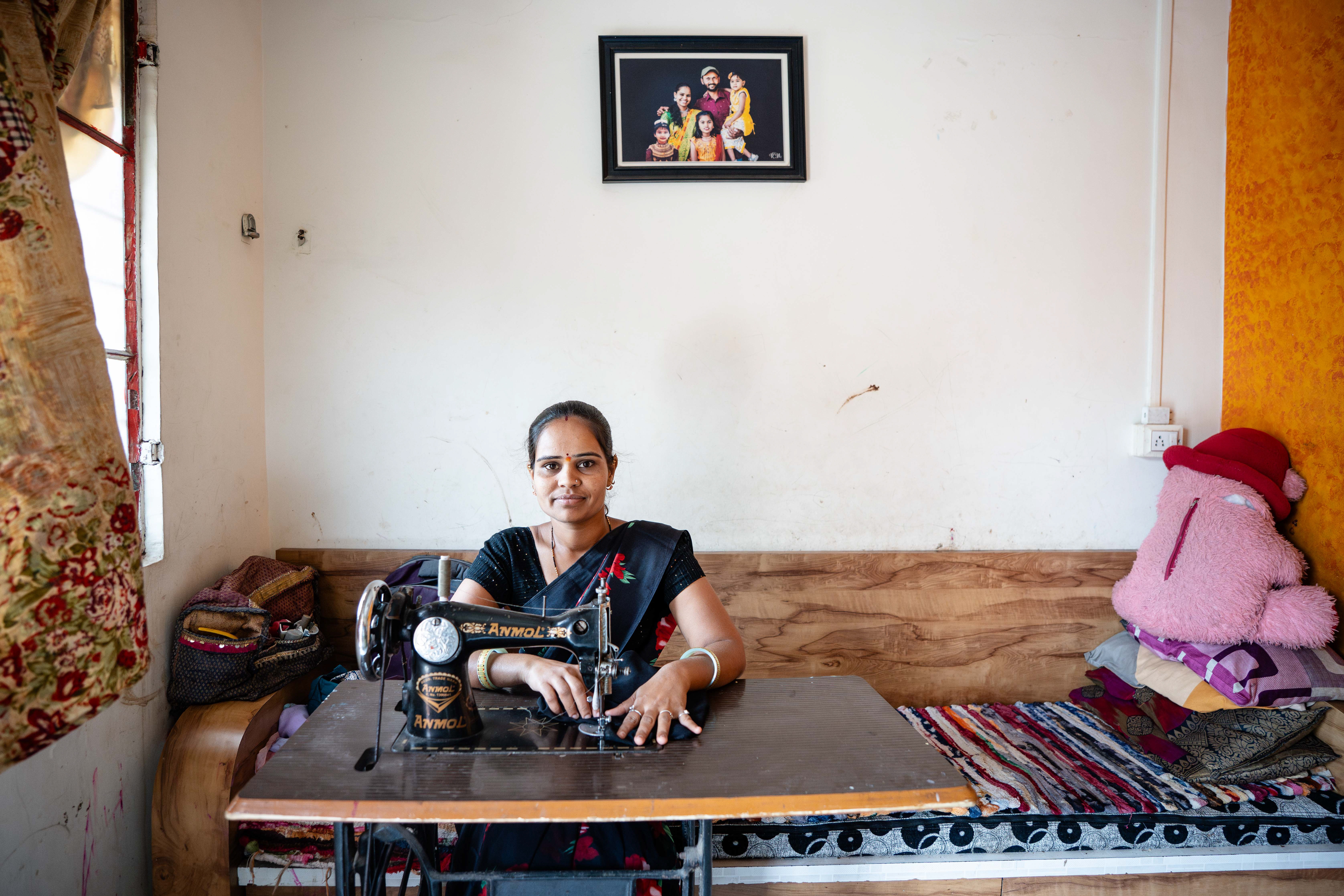
God gives a home to the forsaken; he leads out the prisoners to prosperity.
Psalm 68:6
My people will live in peaceful dwelling places, in secure homes, in undisturbed places of rest.
Isaiah 32:18
He has thrown down the rulers from their thrones but lifted up the lowly. The hungry he has filled with good things.
Luke 1:52-53
There is a quiet kind of joy rising from a crowded corner of the world this week. Families who once woke each morning inside one-room tin shacks—walls that leaked when it rained, roofs that offered little against the heat—have stepped into bright new apartments they themselves helped design. It is not a distant charity handed down from above. It is a bold experiment in dignity: the poor invited to the drafting table, their voices shaping the rooms where their children will sleep, study, and dream. Already the project has won a prize, yet the deeper prize is the light returning to faces that had grown accustomed to shadow.
We know how heavy such living can be. The cramped space, the constant noise, the worry that tomorrow’s storm might take what little remains—these are real wounds. Scripture never looks away from them. The psalmist sings with honest tenderness: “God gives a home to the forsaken; he leads out the prisoners to prosperity.” Here is the heart of our faith: the Lord does not merely pity the poor from afar. He draws near, gathers the scattered, and prepares a place. In this news story we catch a living echo of that promise. Tin walls give way to solid floors; isolation yields to a community that has been allowed to dream together.
Isaiah paints the same hope in softer colors: “My people will live in peaceful dwelling places, in secure homes, in undisturbed places of rest.” Notice the gentle possessives—my people, their homes. God claims the lowly as His own and then gifts them rest that cannot be snatched away by wind or landlord. When residents sit with architects and say, “Here is where the light should fall, here is where grandmother will sit,” they are participating in something sacramental. They are reclaiming the truth that every person bears an unrepeatable dignity, that the poor are not problems to be managed but co-creators with the Creator.
Mary’s Magnificat rings out across the centuries and lands right here: “He has thrown down the rulers from their thrones but lifted up the lowly. The hungry he has filled with good things.” The lifting is not abstract. It looks like a mother finally having a kitchen where she can cook without fear of fire. It looks like children with a corner of their own. It looks like neighbors who once shared only hardship now sharing the pride of walls they helped raise. In Catholic social teaching we call this solidarity and the preferential option for the poor—not as slogans, but as the very shape of Christ’s own heart.
Take heart, then, if your own week has felt small or fragile. The same God who notices the sparrow notices the family in the shack. He is not finished writing their story, nor yours. Every act of listening to the poor, every table where the overlooked are given a voice, becomes a small upper room where the Kingdom quietly arrives. Let us rest in that nearness. The Lord who once had nowhere to lay His head is still busy making room—room enough for every forsaken heart, room enough for peace that the world cannot give and cannot take away.
Prayer
Merciful Father, You who give a home to the forsaken, draw near to all who still dwell in cramped and fearful places. Bless those who have stepped into new light, and keep us gentle toward every neighbor whose roof is thin. Through the intercession of Mary, who trusted Your lifting of the lowly, grant us hearts that make room for one another. Amen.